Why Indie Games Are Quietly Saving the Gaming Industry
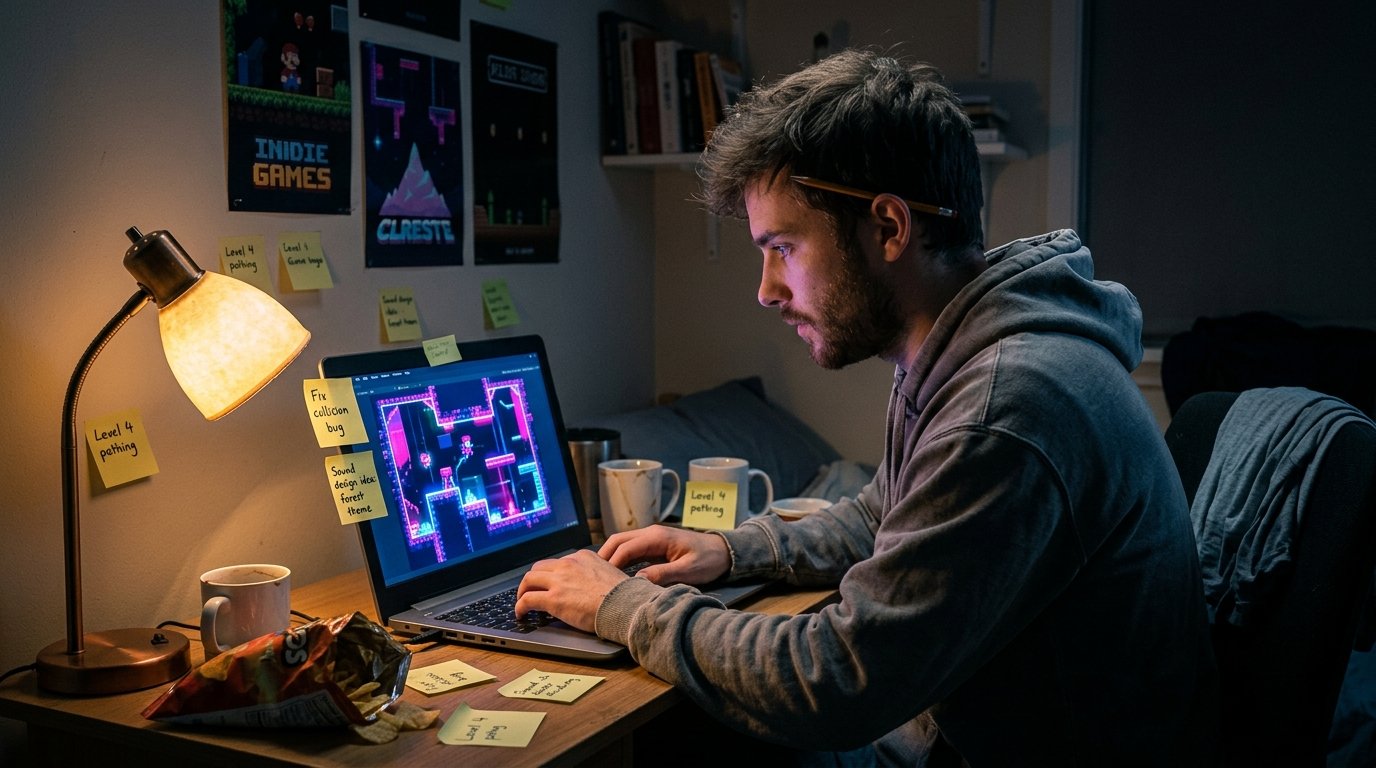
Look, I get it. We all love a massive AAA release with photorealistic graphics and a marketing budget the size of a small country's GDP. But honestly? I've been playing more indie games lately, and they're just... better. The gaming industry has changed so much, shifting from those massive studios to small, scrappy teams who are actually trying something new. With stuff like game engines becoming way more accessible, solo devs are just casually dropping some of the most culturally significant games of our time.
That Wild Shift Around 2008
If we really want to trace it back, the whole modern indie boom kind of exploded around 2008. Digital storefronts finally meant you didn't need a massive publishing deal to get your game into people's hands. Xbox Live Arcade and the early App Store just blew the doors open.
Games like Braid and World of Goo came out and just proved that a couple of people in a basement could make something that sold millions. It really showed that we were all starving for weird, artistic, unique stuff that big publishers would never greenlight because it was "too risky." Honestly, without that era, half the stuff I play today just wouldn't exist.
The Games That Changed Everything
You can't really talk about indie games without bringing up the absolute titans. Like, Minecraft. One guy started that! And now it's literally the best-selling video game of all time. It's crazy to think about.
Then you've got Stardew Valley. Eric Barone basically locked himself in a room for years out of pure passion, and now we all have this perfect farming sim. And don't even get me started on Among Us. It came out, did nothing, and then suddenly the entire world was playing it because of streamers. These games didn't win because of marketing; they won because they were just genuinely fun.
- Minecraft: Basically changed how we think about sandbox games forever.
- Stardew Valley: The ultimate proof that one person can do it all if they're stubborn enough.
- Among Us: Showed exactly how powerful community and Twitch can be.
- Undertale: Totally messed with our expectations of what an RPG should be.
- Hollow Knight: Seriously, how did a tiny team make a game this massive and polished?
How Are They Even Doing It?
It mostly comes down to the tools. Game development isn't locked behind massive proprietary tech anymore. Unity and Unreal just handed professional-grade physics and rendering to anyone with a laptop.
And now we've got Godot and HTML5 canvas stuff that makes building browser games stupidly easy. You don't need a million dollars; you just need a good idea and a lot of patience.
Getting the Money to Make the Game
Publishers used to be the gatekeepers. Now? You just pitch directly to the players. Kickstarter has been a lifeline for so many weird, cool projects that would never get traditional funding.
And itch.io is just a blessing. It's this wild west where anyone can throw up an experimental jam game or an early build, ask people to pay what they want, and actually build a following. It's pure, unfiltered creativity without some suit demanding microtransactions.
Why I Keep Going Back to Indies
Look, AAA games are cool, but the feature creep is exhausting. I don't want a 100-hour open world with 400 identical map markers and a battle pass. Indie games succeed because they take a single mechanic or a personal story and just polish it until it shines.
They take risks. They're allowed to be weird. And in an industry full of endless sequels and franchise fatigue, that authenticity is exactly what I'm looking for.
Wanna play some cool stuff?
If you're into the whole indie vibe, we've got a bunch of highly optimized HTML5 games right here. Just jump in and play: Tetris, 2048, and Brick Breaker.